
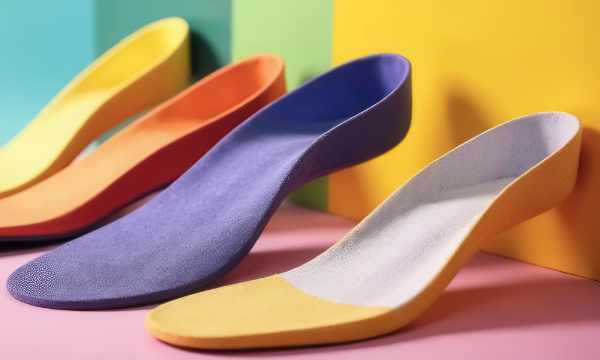
Finding the Right Support for Your Feet: A Simple Guide to Insoles and Orthotics
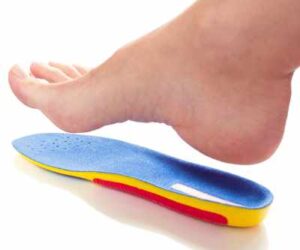
Female bare foot with full length bought insole
When your feet start to complain, it’s easy to feel overwhelmed by the choices on the shelf. Pharmacies are lined with soft, colourful insoles promising instant relief, while health professionals sometimes recommend custom orthotics made specifically for your feet. It’s no surprise that many people ask the same question:
“Do I need custom orthotics, or will a store-bought insole be enough?”
The reassuring truth is that both can be helpful. The art lies in knowing what each option is designed to do—and where its limits are. With a little clarity, you can choose what suits your comfort, your feet, and your budget.
Understanding Store-Bought Insoles
Store-bought insoles—sometimes labelled “over-the-counter” or “comfort” insoles—are mass-produced inserts that slip easily into most shoes. They’re made to fit a wide range of feet and come in a few familiar varieties:
- Soft cushioning for general comfort
- Light to moderate arch support
- Sport or “work” insoles for people who stand, walk, or run a lot
These can be a pleasant upgrade for shoes that feel a little flat or hard underfoot.
What they do well:
- They’re budget-friendly.
- They’re easy to find.
- They can offer quick comfort for tired or mildly sore feet.
Where they fall short:
Because they’re designed for everyone, they’re not shaped specifically for you. They tend to compress faster than custom devices and don’t always provide the deeper support needed for more stubborn or complex foot issues—things like long-standing heel pain, significant flat feet, or pressure problems in people with diabetes.
Think of store-bought insoles as a gentle boost rather than a medical treatment.
What Makes Custom Orthotics Different?
Custom orthotics are not just “fancy insoles.” They are medical devices designed after a careful assessment by a chiropodist or podiatrist. Every element—from the materials to the angles to the pressure-relief points—is built for your specific feet and the way you move.
A quality assessment usually includes:
- A conversation about your symptoms and daily activities
- A hands-on physical exam
- Watching how you walk (and sometimes run or stand)
- A 3D scan or cast to capture your foot in the right position
Custom orthotics can be tailored to help with:
- Persistent heel pain or plantar fasciitis
- Forefoot pain and metatarsalgia
- Flat feet, high arches, or changing foot shape
- Arthritis-related discomfort
- Diabetic feet that need careful pressure redistribution
- Repetitive sports injuries
How Custom Orthotics Help
People often hear, “They support your arch,” but their purpose reaches far beyond that. A well-made orthotic gently guides how forces travel through your feet and legs. This can:
- Ease strain on irritated tissues
- Improve alignment through the ankle, knee, and sometimes the hip
- Reduce high-pressure spots that lead to calluses, corns, or ulcers
- Improve balance for those who feel unsteady
- Help athletes return to activity with more confidence
Custom orthotics focus on long-term comfort, not just short-term softness.
When a Store-Bought Insole May Be Enough
A high-quality pharmacist’s insole is often perfectly suitable for:
- Mild foot tiredness after long days of standing
- Short-term needs such as travel
- People without structural issues who simply want a bit more cushioning
If your discomfort is light, occasional, and improves quickly with basic support, starting with an over-the-counter product is reasonable.
When Custom Orthotics Are Worth Considering
A conversation with a foot specialist is often the best next step when you notice:
- Heel pain that lingers for more than a few weeks
- Relief that disappears as soon as you take the insole out
- Recurring sports injuries
- Noticeable foot shape changes
- Any loss of sensation or history of foot wounds
- Foot pain starting to affect your knees, hips, or back
In these situations, the discomfort usually comes from mechanics—how your foot moves—not just a lack of cushioning. Custom orthotics are designed specifically to address those mechanics.
Understanding Cost and Value
While custom orthotics cost more upfront, they are made from durable materials that last far longer than most store-bought options. Because they target the cause of the problem, patients often find they spend less over time on repeated insole purchases or ongoing flare-ups.
Many extended health plans offer partial or full coverage for custom orthotics.
When to Seek Help Promptly
Make an appointment sooner rather than later if you notice:
- Foot pain worsening instead of improving
- Unexplained redness, swelling, or warmth
- Rapid changes in foot shape
- Tingling, numbness, or reduced feeling
- Any wound that isn’t healing, especially if you live with diabetes
These situations need more than an insole.
Making Either Option Work Better
Whether you choose a store-bought insole or a custom device:
- Wear supportive footwear
- Follow the wear-in schedule for custom orthotics
- Do any recommended stretching or strengthening
- Revisit your specialist if your pain or activity level changes
Feet evolve over time, and your support may need to evolve with them.
Your feet work faithfully every day. Understanding these options can help you choose support that keeps you comfortable, active, and steady for years to come.
Guest Author: Janet Yu, D.Ch., lead chiropodist at Brooklin Foot & Orthotic Clinic, has been providing patient-centred foot care in Whitby and the Durham Region since 2013. Her practice blends scientific training with a gentle, practical approach to long-term foot health.