
Curved Toenails vs. Ingrown Toenails: How to Tell the Difference
A sore big toe can be surprisingly troublesome. One minute your shoes feel perfectly comfortable; the next, every step seems to remind you that something isn’t quite right around your toenail.
But is it a curved toenail or an ingrown toenail? The two can look remarkably similar, and it’s easy to mistake one for the other. However, they are not quite the same thing, and knowing the difference can help you decide what your feet need.
Let’s take a closer look at what’s happening, what you can do about it and when it’s time to call in a podiatrist.
When Toenails Start to Curl
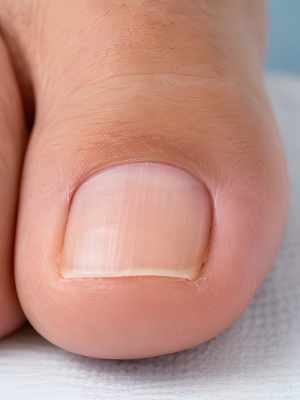
Curved healthy toenail
Some toenails naturally grow with a more pronounced curve than others. A curved toenail bends downwards and inwards towards the skin, rather than growing relatively flat across the nail bed.
In mild cases, the nail simply looks more rounded. With greater curvature, the edges can curl inwards, sometimes creating a pinching effect against the surrounding skin. This is often called an involuted nail, while a more pronounced, deeply curved nail is known as a pincer nail.
There are several reasons why this might happen. Genetics can play a part, as can years of wearing shoes that squeeze the toes. Repeated knocks or injuries to the nail may contribute, and thickened nails, including those affected by fungal infection, can also change the way a nail grows.
The big toenails are often the first to show signs of excessive curvature, although other toes can be affected too.
The important thing to remember is that the entire nail is changing shape. The discomfort comes from the curved nail pressing against the surrounding tissue.
What Makes a Toenail Ingrown?
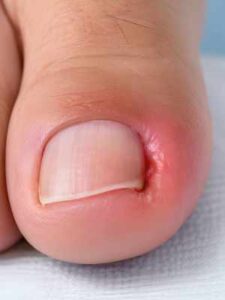
Ingrown toenail with irritated skin fold
An ingrown toenail is a different problem. Rather than the whole nail becoming more curved, one of its edges or corners grows into the soft skin alongside it.
The medical name for this condition is onychocryptosis, although most people simply know it as an ingrown toenail.
Sometimes the culprit is an overly enthusiastic nail trim. Cutting toenails too short or rounding the corners can leave a sharp edge that begins to dig into the skin as the nail grows. Tight footwear, repeated pressure and an accidental stub can also contribute.
Initially, you might notice a little tenderness or redness beside the nail. Left untreated, the area can become increasingly swollen and painful. In some cases, infection develops, with discharge or a small amount of excessive tissue growth around the affected edge.
Unlike a curved toenail, the nail itself may look perfectly normal. It’s the offending corner that is causing the trouble.
So, How Can You Tell the Difference?
Although the two conditions can look alike, there are some useful clues.
Look at the nail shape. A curved toenail has a noticeably rounded appearance, with the sides turning downwards and inwards. An ingrown toenail may look quite ordinary, apart from one corner disappearing into the surrounding skin.
Notice where it hurts. Curved nails tend to cause pressure and tenderness along the nail edges. Ingrown nails are more likely to produce sharp, localised discomfort at the particular corner where the nail meets the skin.
Check the surrounding skin. With a curved nail, the skin may become tender or thickened from repeated pressure. An ingrown nail is more likely to produce redness, swelling and inflammation around the affected corner.
Think about how it started. Excessive nail curvature usually develops gradually. An ingrown toenail can become troublesome quite quickly, particularly after an unfortunate nail trim, a stubbed toe or several days in tight shoes.
These signs can help you work out what’s happening, although a podiatrist is best placed to confirm the diagnosis.
Can You Have Both at Once?
Unfortunately, yes!
A strongly curved toenail can put considerable pressure on the skin along its edges. Over time, this pressure can irritate the surrounding tissue and contribute to one edge becoming ingrown.
So, if your nail is noticeably curved and one corner is red, swollen and painful, you may be dealing with both conditions.
This is one reason why repeatedly trimming away the offending corner isn’t always the answer. The underlying nail shape may also need attention.
What Can You Do About It?
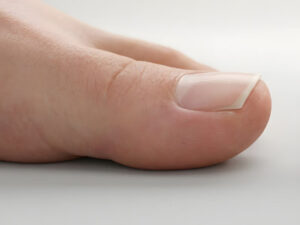
square cut curved toenail
For a mildly curved toenail, a few simple habits can help keep things comfortable.
Choose shoes with plenty of room around the toes, and avoid footwear that presses against the tops or sides of your nails. Trim toenails straight across rather than rounding the corners, and use a file to smooth any rough edges.
If you have a mildly irritated ingrown nail, soaking your foot in warm water for 10–15 minutes can help soften the surrounding skin and ease discomfort. Keeping the toe clean, wearing roomy footwear and avoiding further pressure can also help.
Be careful about trying to dig out an ingrown nail yourself. Cutting into the corner can leave a sharp nail fragment behind, which may cause even more trouble as the nail grows. Cotton or dental floss techniques are sometimes used to gently guide a nail edge away from the skin, but they are not suitable for every situation, particularly if the area is inflamed or infected.
For more information about managing curved toenails, take a look at this helpful step-by-step guide to straightening curved toenails at home.
When Is It Time to See a Podiatrist?
A little tenderness may settle with sensible care, but increasing pain, significant redness, swelling, discharge or difficulty walking are signs that professional attention is needed.
Recurring curved toenails and persistent ingrown nails also deserve a closer look. A podiatrist can assess the nail, identify what’s contributing to the problem and recommend appropriate treatment. Depending on the circumstances, this might involve professional nail care, conservative correction techniques or a minor procedure.
One important word of caution: if you have diabetes, poor circulation or reduced sensation in your feet, don’t attempt to treat either condition yourself. Even a small injury can become a much bigger problem when healing or sensation is impaired. Seek professional advice promptly.
A Little Prevention Goes a Long Way
Happy toenails generally appreciate a little attention!
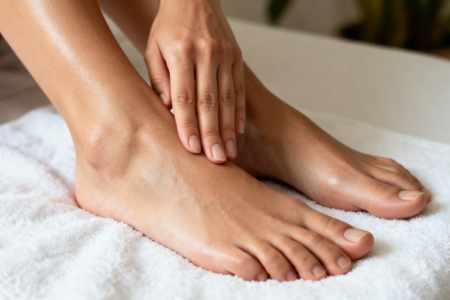
Well cared for feet and toenails
Trim them straight across, avoid cutting them too short, and resist the temptation to round off the corners. Choose shoes that give your toes room to move, and keep your feet clean and dry.
It’s also worth checking your toenails from time to time. Changes in shape, thickness or colour can provide early clues that something isn’t quite right.
Give Your Toes a Little Attention
Curved toenails and ingrown toenails might look similar, but the difference lies in how the nail is behaving. One involves a change in the shape of the nail itself; the other occurs when a nail edge grows into the surrounding skin.
Recognising the difference can help you make better decisions about looking after your feet. And if discomfort persists, don’t put off getting professional advice. Your feet do a lot of work for you. They deserve a little attention in return!
Guest Authors: This article has been written in conjunction with The Editorial Team at Midwest Foot & Ankle (midwestfootankle.com) which publishes in-depth, plain-language foot-health guides built on current podiatry sources and real-world reader questions.